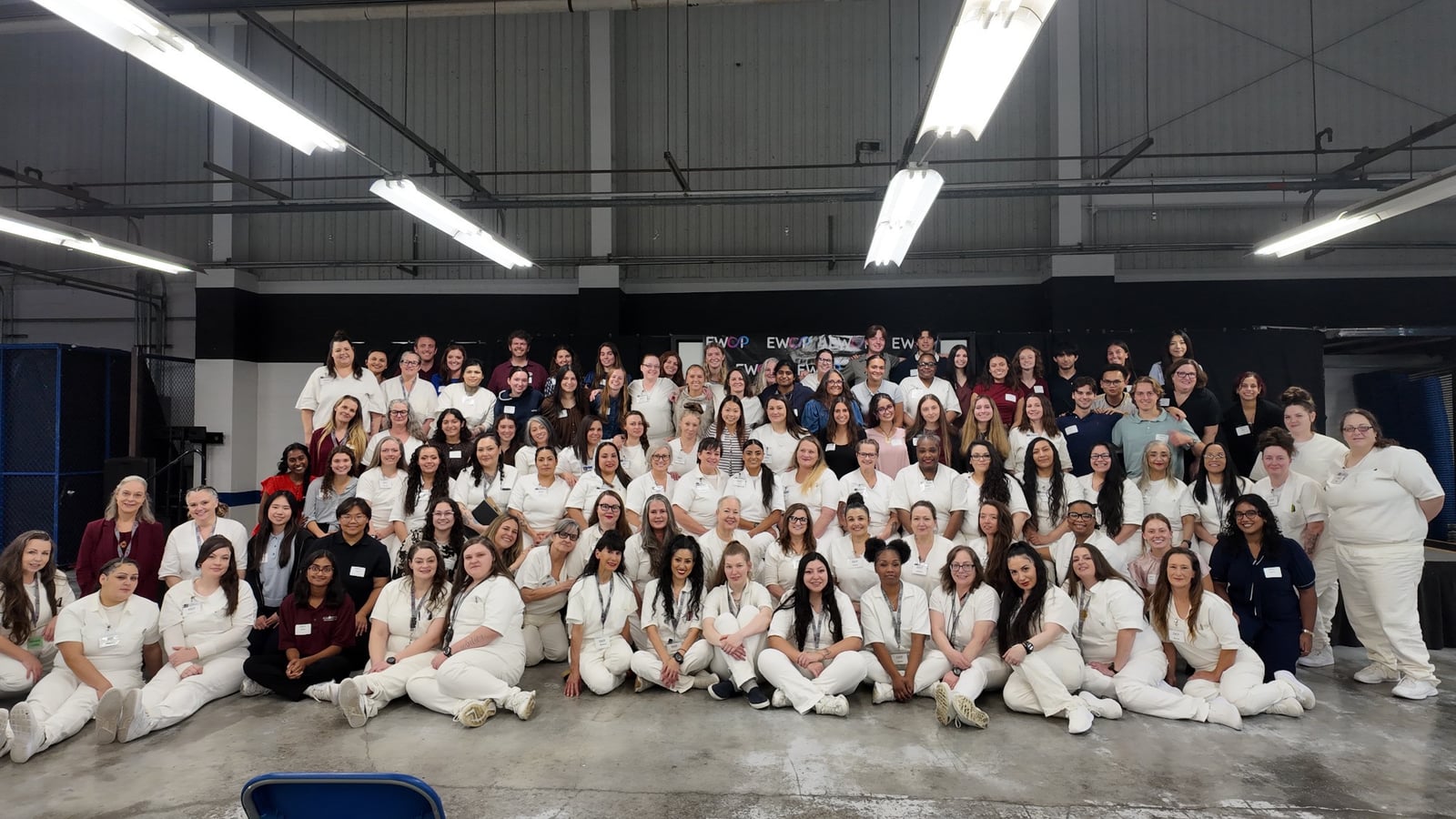
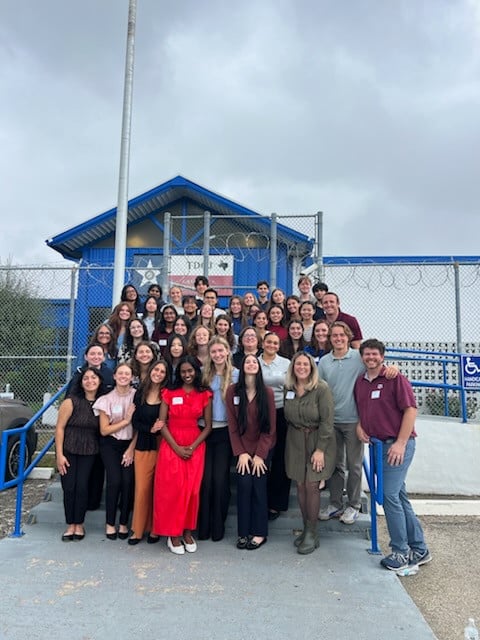
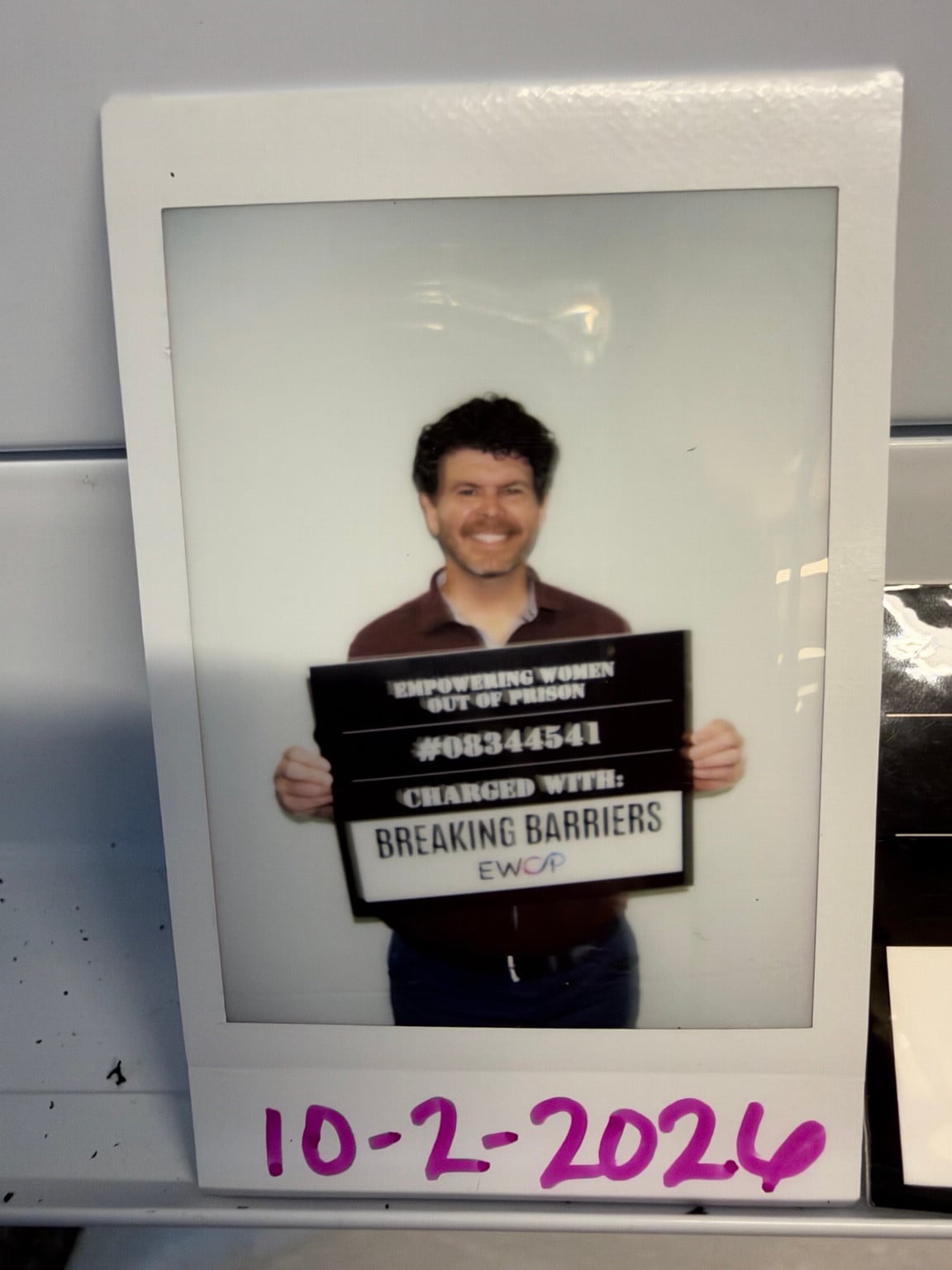
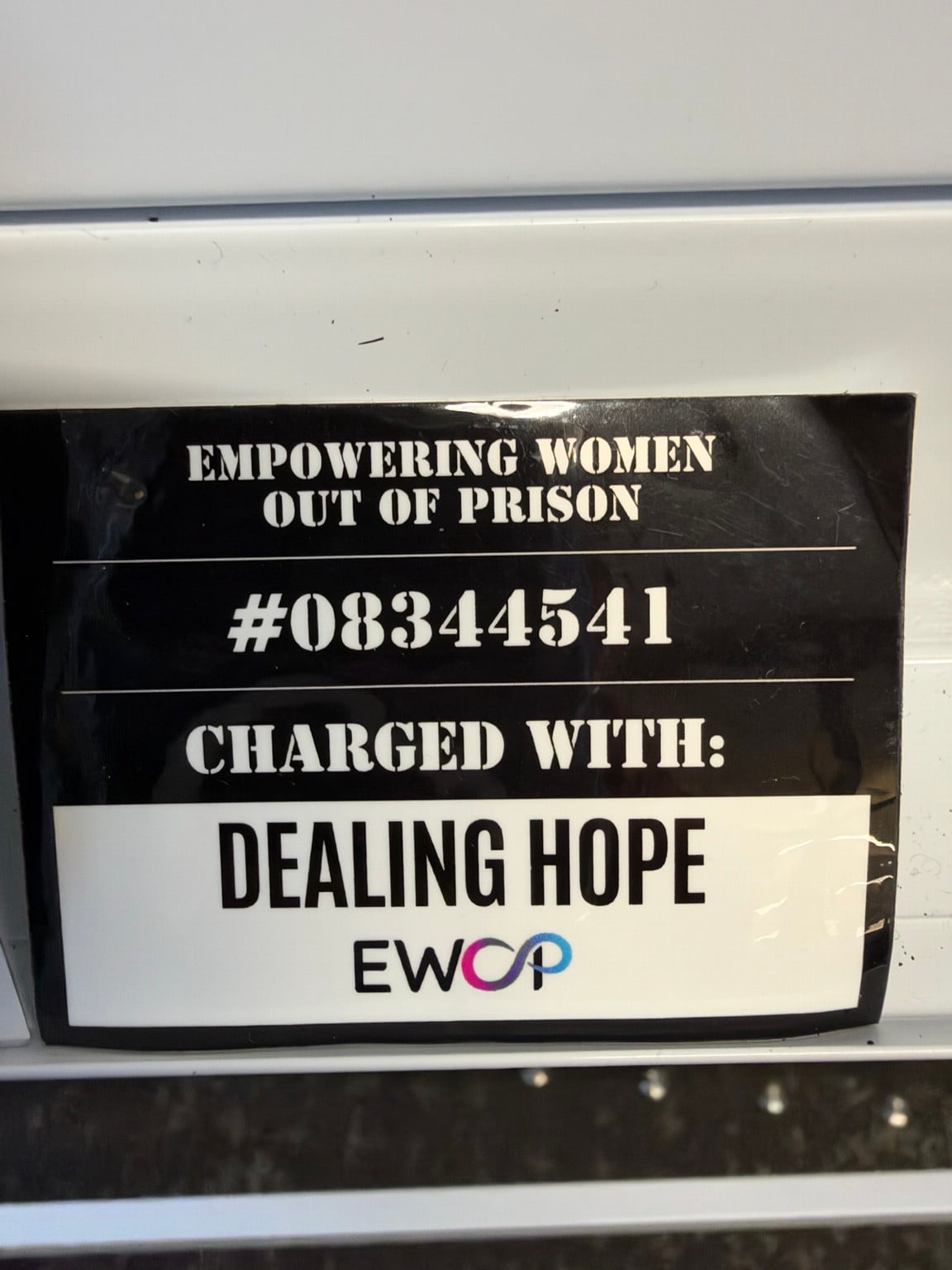
I went back to prison a few weeks ago, as a volunteer with Dr. Shannon Deer and a group of students from Texas A&M. We were there with Empowering Women Out of Prison, a Texas nonprofit helping women prepare for life after release.
I've visited prison several times now. I wrote about an earlier visit in 2017. Every time, I leave a little less comfortable with some of my convictions.
I'm a big believer in free agency. I believe we are responsible for our choices, that we can change, and that we have the ability to make something of our lives regardless of where we started. Those beliefs matter to me.
Going to prison makes me ask harder questions about them. How much do I understand about the choices available to someone whose life has been very different from mine? How easy is it to tell someone to take responsibility without thinking about what they will need to succeed?
I still believe in personal responsibility. I also think I need to be more humble about how I understand other people's lives.
The students who came with us were doing something uncomfortable. Some were scared. I know because we asked. They had questions and complicated feelings about prison and the people in it.
They went anyway. They volunteered their time and tried to treat the women they met with empathy, respect, and kindness. I was grateful to be there with them. These Aggies were putting their values into practice in a place where doing that required something of them.
Most of the students were studying business, but we also brought together students from other colleges across Texas A&M. I think that matters. Business touches every industry and discipline, and part of its role is bringing people together who have different training, experience, and ways of seeing a problem.
We need people who begin by asking who else should be involved and what they might know that we don't. Business schools can help prepare those conveners and collaborators: people who know how to draw on expertise beyond their own and work with others who think differently. I believe that's an important part of how our students can help make the world better.
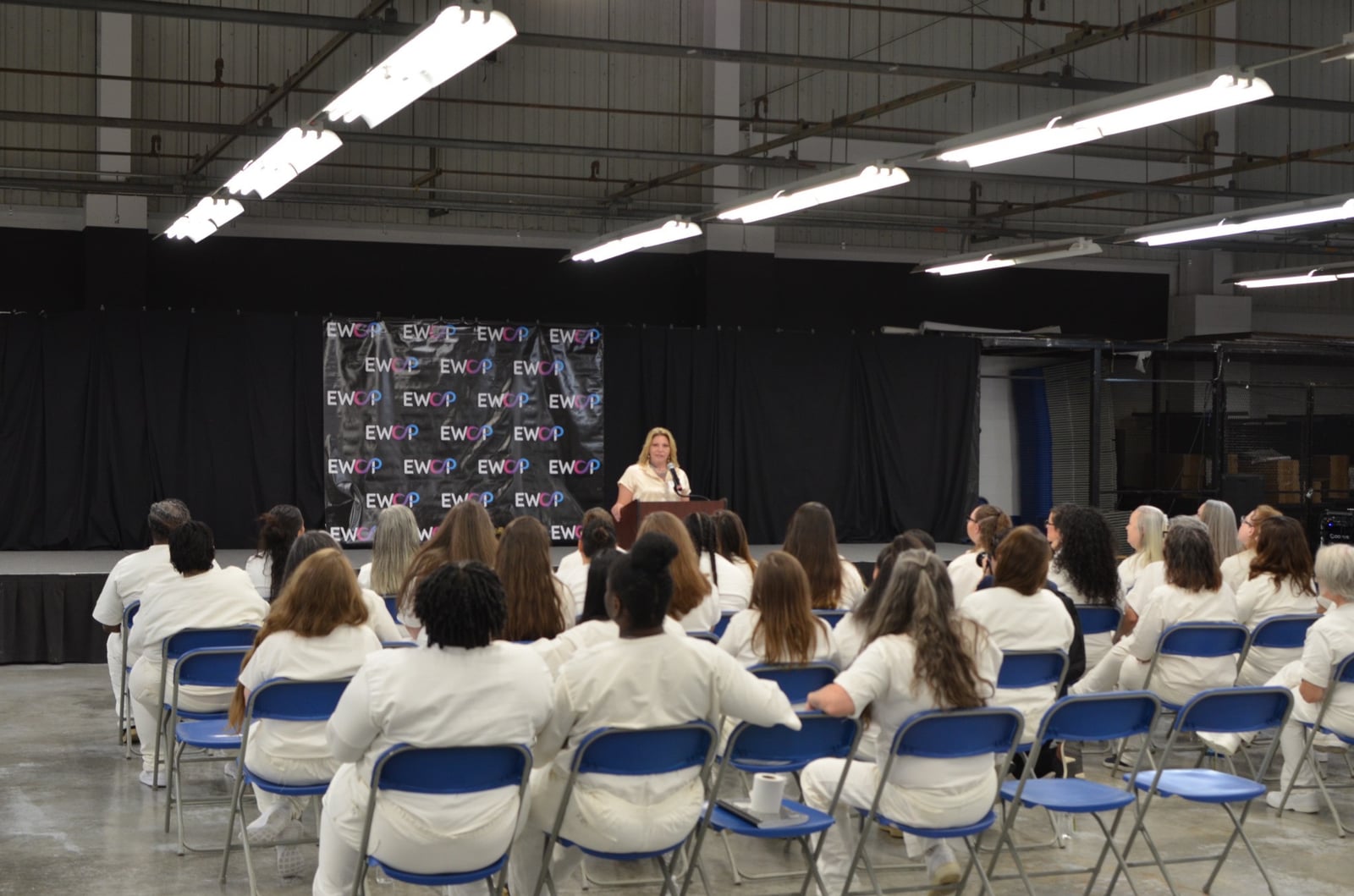
The women in the program had been studying entrepreneurship and developing ideas for businesses they might start after release. Many were small service businesses: a hair and nail salon, elderly care, pet care. For someone who may have a hard time finding a job, a business like that could become a way to earn a living.
There are practical questions behind each idea. Who would pay for the service? What would it cost to provide? How would you find your first customer? Learning to work through those questions gives someone tools they can use, whether they eventually start a company or go to work for somebody else.
EWOP's 12-month program combines leadership development and personal growth with business education. The work continues after release, with help connecting women to housing, employment, transportation, healthcare, and mentors. A business plan is much more useful when you also have somewhere to sleep and a way to get to work.
I want to be careful about how I tell this story. Crime causes real harm. Victims and their families live with consequences that a hopeful conversation in prison does not erase. I can't offer forgiveness on their behalf, and a visit doesn't tell me everything about anyone's past or future. I can take that harm seriously while supporting the difficult work of becoming someone who won't cause it again.
This experience has also made me think about the debate around Chris Marquis's recent New York Times essay on business schools. His critique raises questions about what schools teach students to value and what they reward.
Those are important questions. One volunteer visit doesn't answer them. Business schools should help students build successful businesses and careers. They should also help students think seriously about character, values, and the consequences of how they pursue that success. I do think experiences like this belong in a serious conversation about what business education is for. Students should have opportunities to use what they're learning in service of people they might otherwise never meet. And schools should ask how that responsibility carries into the careers their students pursue.
My former professor Clayton Christensen put it this way: “Management is the most noble of professions if it’s practiced well.”
That last part matters. In How Will You Measure Your Life?, he described the opportunity managers have to help people learn, grow, and contribute. That's a demanding way to think about a business education. It asks what happens to other people because of the decisions we make.
Business schools have plenty of room to improve. We should take that seriously. I also believe deeply in what we can help students become.
We can help them see opportunities, solve important problems, and build and manage organizations. We can help them understand the responsibility that comes with making decisions that affect other people’s livelihoods, families, and futures. That is the kind of work Clay Christensen was talking about when he described management as a noble profession, if practiced well.
I believe deeply in the mission and vision of Mays Business School at Texas A&M. Our vision is “Building a better future through business.” Our mission is “Developing leaders of character who make a positive difference in the communities where they live, work, and serve.” I believe in the character of the students we work with, and in the positive impact we can have by helping prepare them to live out that mission.
Part of that preparation means getting outside the classroom and outside our comfort zones. It means spending time with people whose lives look very different from our own. It means asking difficult questions about our assumptions, our responsibilities, and how we define success.
For me, that will include continuing to go to prison with students. To open our eyes. To humble ourselves. To think about business as more than profit maximization, and about the people whose lives our decisions can change.
I still believe in choice, responsibility, and the ability to build a better life. These visits keep reminding me to ask what I can do to help make that possibility real for someone else.